
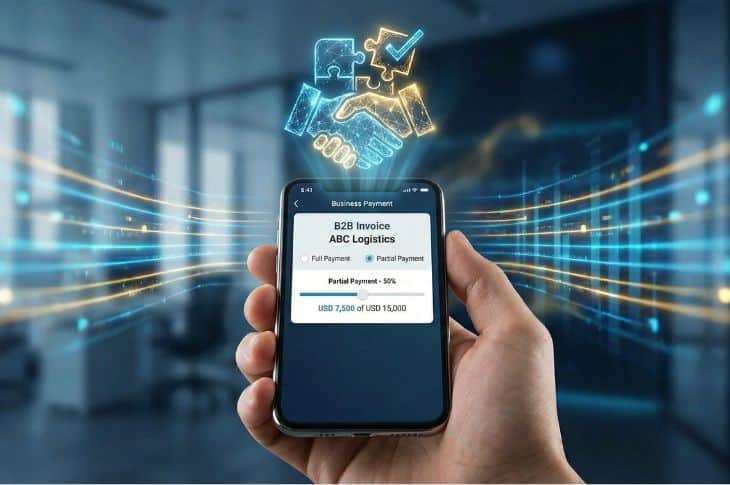
Across Australia and globally, B2B payment behaviour is shifting—and fast. Recent industry studies show that partial settlements, structured repayment plans, and staggered payments are no longer edge-case exceptions. They’re becoming the new normal.
Businesses under cash-flow pressure are asking for flexibility. Suppliers dealing with rising debtor days are looking for ways to protect revenue without damaging relationships. This new environment is forcing wholesalers, manufacturers, and distributors to rethink what “terms” actually mean in 2025.
Why Partial Payments Are on the Rise
Several trends are driving this shift:
1. Cash-Flow Volatility Across Key Industries
Rising input costs, supply chain fluctuations, and tightening credit conditions have pushed many B2B buyers into inconsistent payment cycles. Sticking rigidly to 30-day accounts is becoming unrealistic.
2. Buyers Want Flexibility—Not Conflict
Many business customers want to pay on time but need short-term breathing room. Partial payments or structured installments keep supply moving while reducing the need for uncomfortable follow-ups.
3. Suppliers Realise That Strict Terms Can Hurt Sales
A growing number of suppliers recognise that being adaptable with payment structures can:
- Preserve customer relationships
- Increase order frequency
- Reduce lost sales caused by upfront financial strain
4. CFOs Are Now Proactively Building Repayment Structures
Instead of reacting to overdue accounts, more finance teams are proactively implementing payment plans to maintain predictable cash flow.
The Real Challenge: Flexibility Creates Admin Overload
Here’s the catch: managing partial payments manually is a nightmare.
Without automation, suppliers often face:
- Endless back-and-forth emails
- Manual reminders
- High risk of missed payments
- Spreadsheets needed to track who owes what
- Zero visibility across sales, finance, and warehouse teams
Flexible terms become expensive terms when managed manually.
Where PencilPay Fits: Flexibility Without the Extra Work
PencilPay gives suppliers a way to offer flexible payment structures while keeping payments fully controlled and automated.
Automated Payment Plans
Set up structured repayment schedules directly from quotes, orders, or invoices. PencilPay automatically bills customers on the agreed dates—no chasing, no monitoring.
Partial Payment Support
Allow buyers to pay installments or deposits without adding manual work for your finance team.
Integrated Credit Controls
Require cards on file, deposits, or first installments before dispatch to reduce risk.
Transparent Customer Communication
Buyers automatically receive payment plan details, billing reminders, and receipts—everything handled for you.
The New Reality: Flexibility Isn’t Optional Anymore
Partial payments and structured repayment plans were once a sign of customer distress. Today, they’re a strategic tool for maintaining turnover, improving cash flow predictability, and building stronger customer relationships.
But the businesses that benefit most are the ones who automate the process—not the ones trying to manage it in spreadsheets.
The B2B suppliers who embrace flexible, automated payment workflows will be the ones who grow faster and get paid faster.